Food and Beverage Freight Transportation Across Ontario, Quebec and Atlantic Canada
- Dense freight planned within weight limits
- Packaging and finished product coordinated on the same lane
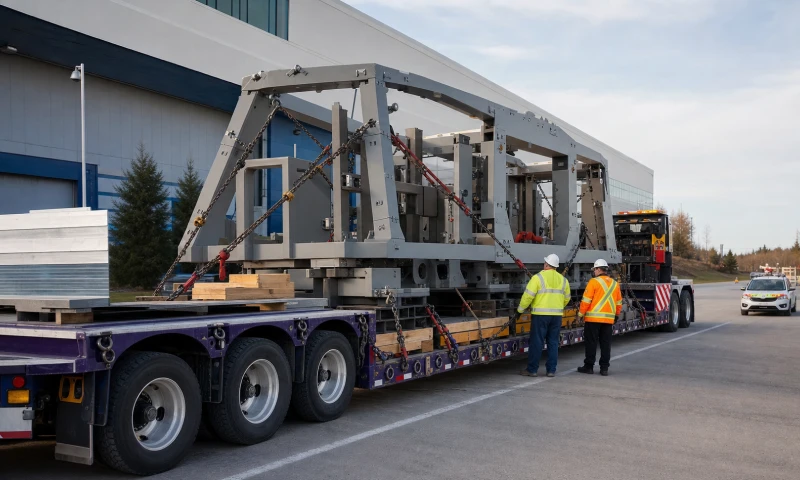
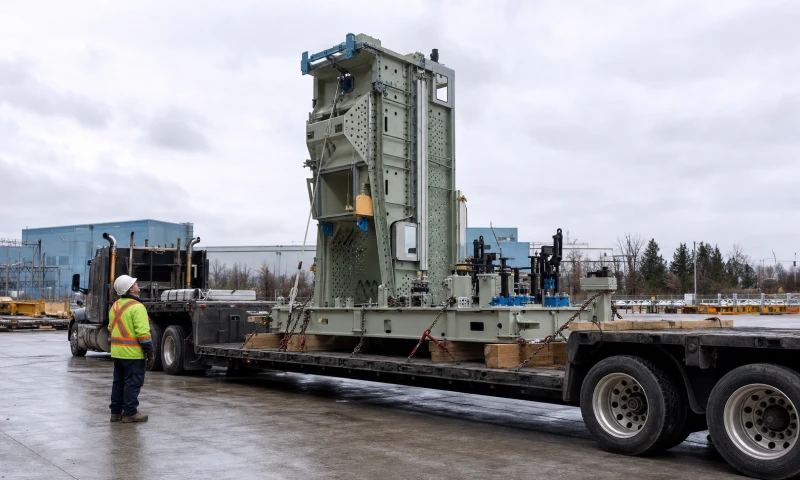
- Specialized trailers for production equipment and machinery
- Recurring schedules for repeat production runs
- Empty containers and packaging returns coordinated
- Production lanes across Ontario, Quebec and approved Atlantic Canada
How Food and Beverage Logistics Works in Practice
Food and Beverage Freight We Handle
- Bagged and totes dry ingredients including flour, sugar, starches and grains
- Packaged sweeteners, salt, additives, and dry blends
- Bottled water and packaged non alcoholic beverages
- Canned and bottled beer, cider and packaged alcoholic beverages
- Juice, concentrate and syrup in packaged and drummed form
- Stainless tanks and vessels transported as equipment
- Coffee, tea and cocoa in bagged and cased quantities
- Shelf-stable canned, jarred and pouched food products
- Snack food, confectionery and bakery products in cases
- Pet food and animal nutrition products in bagged form
- Empty glass, cans, PET containers and preforms
- Closures, caps, labels, film and shrink wrap
- Corrugated cases, trays, dividers and packaging materials
- Pallets, slip sheets and returnable packaging assets
- Mixing, blending and processing machinery
- Conveyor sections, palletizers and case packing equipment
Food and Beverage Businesses We Support

Beverage Producers and Bottlers
Operations filling water, soft drinks, juice and packaged alcoholic beverages. Freight is weight-dense outbound and cube-heavy inbound, and the two directions rarely balance on the same trailer plan.

Packaged Food Manufacturers
Plants producing shelf-stable canned, jarred, dried and packaged products. Inbound ingredient volume and outbound finished cases run to separate schedules that both trace back to the same production line.

Ingredient Suppliers and Processors
Businesses supplying flour, sugar, starches, blends and dry inputs to manufacturers. Their freight is dense, bagged or in totes, and usually tied to a receiving window at a plant that is already running.

Packaging and Container Suppliers
Producers of glass, cans, preforms, closures and corrugated shipping into food and beverage plants. Freight is high cube and low weight, and damage on arrival stops a production line rather than inconveniencing a warehouse.

Tooling and Equipment Manufacturers
Smaller operations shipping packaged product and receiving ingredients and packaging. Volumes are modest and irregular, and the same business may need a partial load one month and equipment freight the next.

Food and Beverage Equipment Suppliers and Integrators
Companies delivering filling lines, processing machinery and conveyor systems into plants. Freight arrives inside a shutdown window where every day of overrun is production lost.
How Our Services Fit Food and Beverage Movements
Less Than Truckload (LTL)
LTL suits smaller production runs, regional producer volume, packaging orders, and ingredient shipments below a full trailer. Because the freight shares trailer space, pallet build and wrap quality carry directly into whether cases arrive fit for the receiving warehouse.
Full Truckload (FTL)
Heavy Haul
Matching a Service to Product Density
| Service | Best For | Capacity | Typical Food and Beverage Cargo |
|---|---|---|---|
| LTL | Regional producers, packaging orders | 1 to 6 pallets typical | Cased product, ingredients, closures, labels, supplies |
| FTL | Plant inbound and outbound programs | Full trailer | Beverage pallets, ingredient volume, finished case runs |
| Heavy Haul | Production lines and plant equipment | Specialized equipment | Fillers, palletizers, conveyors, vessels as equipment |
The questions worth answering before booking:
- What is the actual weight per pallet?
- Has it been measured rather than estimated? How are the pallets built, and to what height is stacking permitted?
- Is the receiving plant or warehouse appointment-based, and who books it?
- Does the product require food-grade trailer conditions?
- What does the receiver expect documented?
- Is there a return leg of empty containers, pallets or returnable assets worth planning into the same lane?
- Is anything in the load temperature sensitive, and has that been confirmed rather than assumed?
- And for plant equipment, what is the shutdown window and how much of it can the delivery consume?
Equipment for Food and Beverage Freight
Roll-Tite
Flatbed
Step Deck
Lowboy
RGN (Removable Gooseneck)
- Trailer availability and suitability are confirmed per shipment. Final equipment is determined after reviewing dimensions, weight, loading method, securement requirements and route restrictions. Equipment shown here reflects the fleet types available and does not guarantee assignment for a specific load.
Freight Services All Across Canada:
Food and Beverage Freight Transportation Across Ontario and Canada's East Coast
- Ontario
- East Coast
Ontario to East Coast Food and Beverage Freight
- Ontario
- East Coast
East Coast to Ontario Food and Beverage Freight
Food and Beverage Freight Transportation in Ontario
Food and Beverage Freight Transportation in Quebec
Food and Beverage Freight Transportation in New Brunswick
Food and Beverage Freight Transportation in Nova Scotia
Food and Beverage Freight Transportation in Prince Edward Island
Food and Beverage Freight Transportation in Newfoundland and Labrador
The Path From Production Schedule to Delivery
Freight and weight details
Density and legal weight review
Product suitability confirmation
Service and equipment selection
Lane and return leg planning
Loading, transit and delivery
Why Food and Beverage Shippers Work With Us

Weight Checked Before the Load Is Committed
Dense beverage and ingredient freight is planned against legal limits at booking, because a load that has to be stripped and rebuilt at a scale costs a day nobody budgeted.

Both Directions Treated as One Lane
Outbound product and inbound packaging or empty asset returns are planned together, which is where the economics on a recurring production lane are actually won.

Plant Equipment Moved Inside the Window
Shutdown schedules are fixed and expensive, and equipment deliveries are planned backward from the window rather than toward it.

Scope Limits Stated at Enquiry
Temperature-controlled and bulk requirements are outside our equipment, and this was established in the first conversation rather than discovered when a trailer arrives.

Recurring Runs Scheduled as Recurring
Repeat production lanes are set up as standing arrangements rather than requoted from scratch each time the plant runs.

Packaging Freight Handled With the Care It Warrants
Empty containers and corrugated look like low value freight and are not, since damage on arrival stops a filling line rather than delaying a shelf.
Food and Beverage Freight Questions
Do you carry chilled, frozen, or fresh product?
Do you haul bulk liquid or bulk dry product?
You list tanks and vessels as cargo. Is that a bulk service?
How do you handle loads that hit weight limits before filling the trailer?
Can you move a filling or packaging line during a plant shutdown?
What are your limits on oversized plant equipment?
Can you provide trailer washout or food grade documentation?
Get in Touch with Dependable Freight Solutions